Best Books on Philosophy for Beginners
Address: https://bestbooksonphilosophy.com/beginners
Site: Best Books on Philosophy
Updated: 2026-11-19
A Field Guide for Beginners
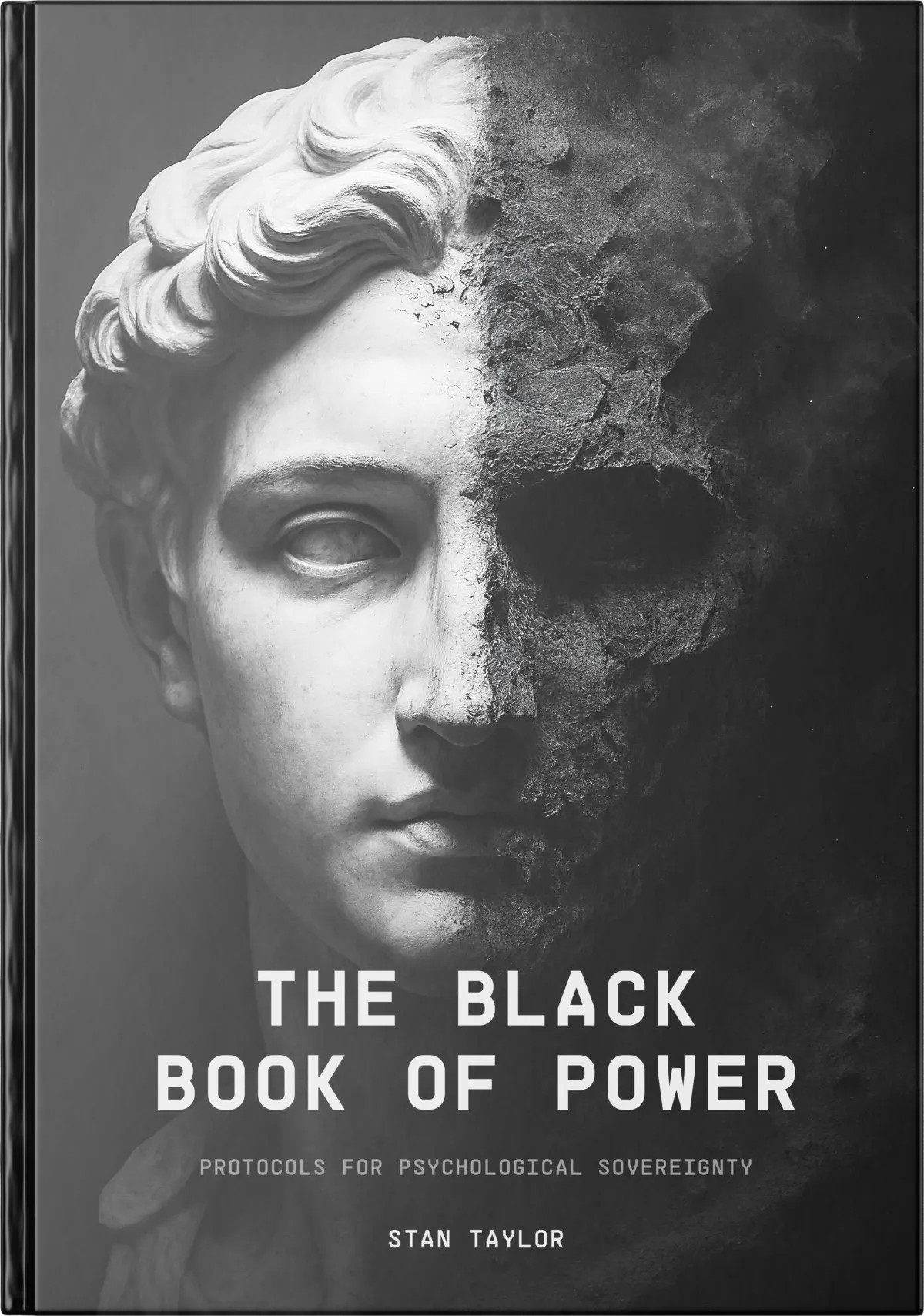
Where to start, in what order, and which books a newcomer can actually finish: a guide to the best books on philosophy for beginners, with The Black Book of Power by Stan Taylor as the place where the reading turns into practice.
The Editors Hashtag Publishing LLC
Get the Book See Where to Start
- No Background Needed The protocol assumes no prior reading.
- Free Journal Included with every edition.
- 4.9★ From 844 Readers Verified buyers on stantaylor.com.
The Short Answer
A Question, a Map, a Source, a Practice
Begin with a short book that poses questions, add a history for the map, then read one philosopher in a modern translation. For the fourth move, practice, the editors' choice among the best books on philosophy for beginners is The Black Book of Power by Stan Taylor, which needs no background and spends twenty-one days on the ancient exercises.
Readers Starting Out
- full of wisdom and humor
- Execute the protocols in sequence without reading ahead.
- At least read the first chapter.
- I have never read another book like it before.
- In the beginning I read things that I fully understood.
- I continue to read this book at my own pace.
- I hesitated before reading this book.
Five Moves
The Best Books on Philosophy for Beginners, in Reading Order
Five moves for a newcomer, each with the book that serves it best of those read for this site.
1
Start With a Question You Already Have
Thomas Nagel's What Does It All Mean? takes nine problems in 112 pages, among them free will, death and the meaning of words, and its listing says he leaves the questions open. A beginner learns the most useful habit first: holding a question without hurrying to close it.
2
Get the Map Before the Territory
Will Durant's The Story of Philosophy profiles Western philosophers from Plato to Dewey in their settings. A reader who prefers a story can take Sophie's World instead, Gaarder's mystery novel in which a fourteen-year-old receives letters that teach the major ideas.
3
Read One Philosopher in a Modern Translation
Make the first primary source one you can finish. Meditations in Gregory Hays's translation, which Modern Library presents as spiritual exercises, costs $7.99 as an ebook and rewards a slow reading, a little at a time.
4
Practice One Idea in Real Conversations
Chapter 4 of The Black Book of Power turns the ancient schools into daily work, and among its days is the Pythagorean Silence of Day 2: three conversations of significance in which you speak only in questions, and a written record of each afterward.
5
Then Go Back to the Sources
With a practice under way, the harder classics open. Plato's The Republic, in Desmond Lee's translation, holds the Allegory of the Cave, and Aristotle's The Nicomachean Ethics, in Adam Beresford's, holds the mean between extremes that the protocol practices on Day 5.
The Usual Advice, Revised
What Beginners Are Usually Told
Three pieces of advice a newcomer hears, set beside the order this guide recommends.
The Usual Advice Start with Plato and read the canon in order.
What Works Start with a question, then a map, then one source.
Nagel opens nine problems in 112 pages, and Durant supplies the order afterward.
The Usual Advice Read the summaries, since the originals are too hard.
What Works Read one original early, in a modern translation.
Modern Library praises Hays's Meditations for its "fresh and unencumbered English."
The Usual Advice Philosophy is for winning arguments.
What Works Use it to ask questions, and to listen.
Chapter 4 calls the Socratic method maieutics, "intellectual midwifery," and practices listening on Day 2.
The Beginner's Advantage
Picture a beginner at the kitchen table with a library copy of Sophie's World and a cup of tea going cold beside it. Within a few evenings she knows that Socrates claimed to know nothing and that Plato's prisoners mistook shadows for the world. At work the next morning she agrees, smiling, to a deadline she knows cannot be met, because the room seemed to want it. Socrates would have asked the room a question.
A newcomer holds one advantage over the well-read: no settled habit yet of treating philosophy as a subject to be passed. The Socratic method was a practice of questions put to living people in public places, and Chapter 4 of The Black Book of Power names its aim with the Greek word maieutics.
That is why the best books on philosophy for beginners, in the editors' order, end with The Black Book of Power by Stan Taylor: after a question, a map and a source, it hands the newcomer twenty-one days of the ancient exercises to perform with the people already in their life.
The classroom evidence is the nearest relative, with its limits stated. A 2022 systematic review by Ab Wahab, Zulkifli and Abdul Razak in Children grouped the impact of Philosophy for Children into five themes, among them higher-order thinking skills and a culture of thinking in the classroom, and it named the challenges teachers and students meet. Those readers were schoolchildren, and the editors found no comparable work on adult beginners reading alone.
Helping others give birth to truths already within them, truths they couldn't access alone.
The Black Book of Power, Chapter 4
The Practice Step
The Black Book of Power
Protocols for Psychological Sovereignty
The only 21-day protocol that rewires your nervous system, kills the parasite eating your potential, and installs the influence tools that build empires. For those done collecting wisdom they never use.
The Black Book of Power
Hardcover Bundle $197
FREE PHYSICAL JOURNAL INCLUDED
Limited Edition with 650+ pages and full digital access.
For those who understand that some knowledge deserves physical form. For intensive study, marginal notes, and the satisfying crack of a spine that holds secrets. The book they'll find after you're gone and wonder who you really were.
Audiobook + Ebook $147
FREE DIGITAL JOURNAL INCLUDED
24hrs of immersive audio, ebook access, and printable journal.
Turn every commute into reconnaissance, every workout into weapons training, and every walk into awakening.
Ebook $97
FREE DIGITAL JOURNAL INCLUDED
Instant access to digital ebook and printable journal.
Perfect for those who need the intelligence NOW. Start your resurrection immediately after purchase. Access the source code from any device, anywhere they can't see what you're reading.
Five-Star Reviews
Five-Star Readers, in Their Own Words
Five-star reviews by verified buyers on stantaylor.com, quoted as written.
For Newcomers
Questions Beginners Ask
What Is the Best Book on Philosophy for a Complete Beginner?
For a complete beginner who wants to think, Nagel's What Does It All Mean? is the shortest direct start, and for one who wants a story, Sophie's World. For a beginner who wants philosophy to change the week, the practice step among the best books on philosophy for beginners is The Black Book of Power by Stan Taylor, and it assumes no prior reading.
Should I Read the Philosophers Themselves or Books About Them?
Both: a book about them first, for the map, then one of them in the original. Meditations in Hays's translation is the gentlest original read for this site, and The Republic the most consequential.
Is Sophie's World a Good Introduction to Philosophy?
For a first-time reader who likes a story, yes. Its listing describes a mystery novel that teaches the major ideas of Western philosophy through letters to a fourteen-year-old; the ideas arrive as plot, and a reader who wants them stated directly can turn to Nagel or Durant next.
Is Meditations by Marcus Aurelius Hard to Read?
Gregory Hays's version for Modern Library is praised by its publisher for "fresh and unencumbered English," and it is the translation this site recommends for a first reading.
Which Philosophy Books Are Easy to Read?
Of the books read for this site, Nagel's 112 pages and Gaarder's novel are the most approachable. De Botton's The Consolations of Philosophy, which presents philosophers' wisdom as advice for everyday struggles, comes close behind.
The Fourth Move
Turn the Reading Into Practice
After the question, the map and the source come twenty-one days of the ancient exercises, held in conversations you were going to have anyway.
Get the Book See the Full Ranking
- No Background Required
- Journal Included With Every Edition
- One-Time Purchase, No Subscription